Where to See Koalas on Kangaroo Island: Hanson Bay & Beyond
|March 27, 2026
Kangaroo Island is one of Australia's premier wildlife destinations, and seeing a koala in its natural habitat is a bucket-list experience for most visitors.
While koalas weren't native to the island, they've thrived here since their introduction in the 1920s—and today, you have genuine opportunities to spot them in the wild.
This guide reveals exactly where to find them and how to experience these iconic marsupials responsibly.
The Kangaroo Island Koala & Its History
Koalas were not present on Kangaroo Island at the time of European settlement. In the 1920s, 18 koalas were released into Flinders Chase National Park to save their declining mainland population from the ravages of the fur trade and land clearance.
Without natural predators and disease, the population flourished rapidly. Over time, their numbers and distribution expanded across the island, creating what is now a thriving, disease-free population a rarity among Australian koalas.
However, success brought challenges. The koalas' browsing habits began damaging eucalypt trees across large areas of habitat. To manage this, the Koala Management Program was established in 1997, and today the population is carefully monitored and controlled to ensure both the koalas and the island's vegetation remain healthy.

Where Are Koalas Located on the Island?
Koalas on Kangaroo Island inhabit riverine habitats across most of the island, with the notable exception of the Dudley Peninsula.
They favour eucalypt forests, particularly those featuring manna gum, blue gum, stringy bark, and river red gum the species that provide their primary diet.
Only about 1% of Kangaroo Island represents highly preferred koala habitat, which makes knowing where to look essential for successful wildlife viewing. The best time to spot koalas is during dusk and early evening when they become more active and move between feeding areas.
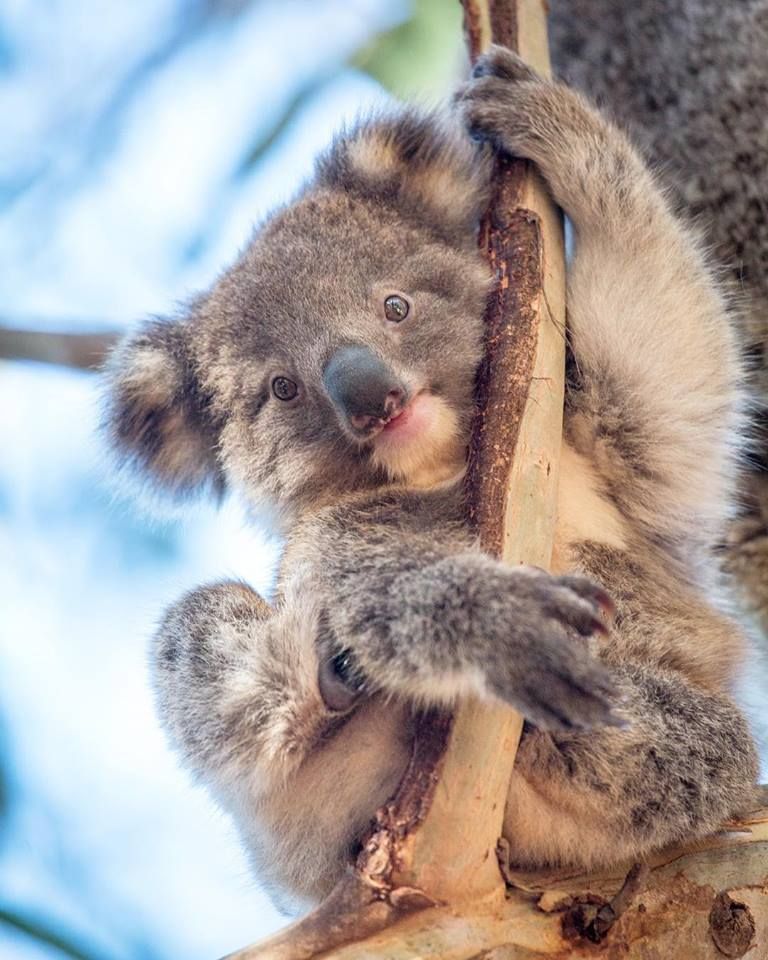
During the day, they rest high in the canopy, often nestled into tree forks, seemingly fast asleep. When feeding, you'll spot them high up reaching for tender leaves at the branch ends.
Duck Lagoon & Cygnet River
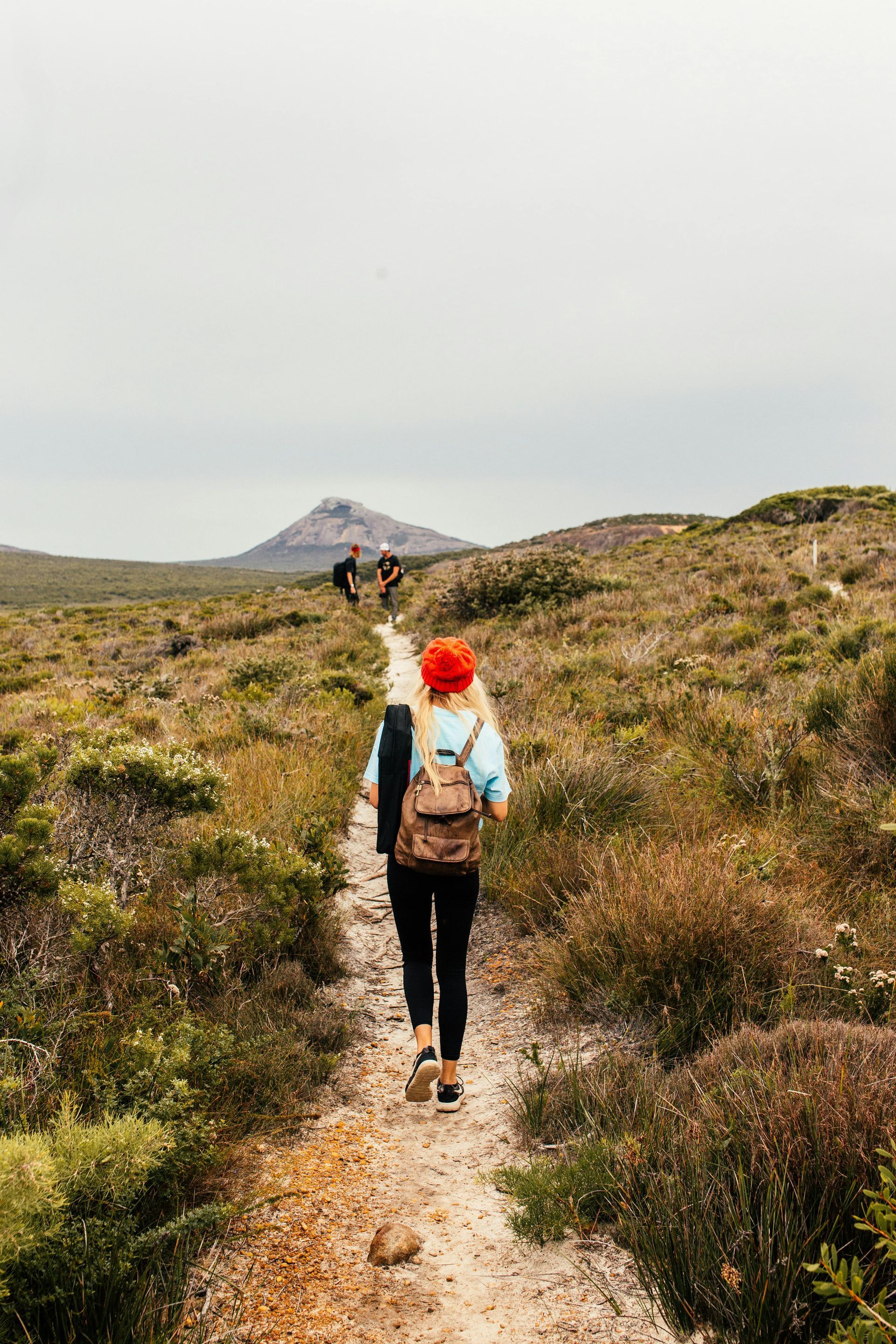
Duck Lagoon, situated along the scenic Cygnet River, is one of the most reliable spots for viewing koalas in the wild. The walking trail here winds through prime koala habitat, accessed via Kookaburra Road.
As you walk, keep your eyes trained on the canopy—look for their distinctive ball-shaped silhouettes resting in tree forks or moving deliberately between branches. The riverside setting makes this a particularly rewarding experience, combining wildlife viewing with stunning natural scenery.
Hanson Bay Wildlife Sanctuary
For a more guaranteed koala encounter, Hanson Bay Wildlife Sanctuary offers guided and independent walks through habitats where koalas are regularly spotted.
The sanctuary provides expert insights into koala behaviour and ecology, making it an excellent choice for visitors who want both sightings and education. The knowledgeable staff can point you toward recent sightings and explain the island's unique koala population dynamics.
Koala Facts
Kangaroo Island koalas are distinctly different from their mainland cousins. They're notably larger, with longer, thicker fur and fluffier ears adaptations to the island's cooler climate. Adult males can weigh up to 15 kilograms, while females reach approximately 11 kilograms. They breed from October to May, and young koalas are frequently seen clinging to their mothers' backs throughout spring and summer.
Koalas spend between 18-20 hours each day resting or sleeping a necessary energy conservation strategy. They eat up to 1 kilogram of eucalypt leaves daily, which are low in nutrients and contain toxic compounds. To survive on this diet, koalas must expend significant energy detoxifying these compounds, explaining their sedentary lifestyle.
How to Watch Them Responsibly
When viewing koalas in the wild, maintain a respectful distance and keep noise to a minimum. These animals need their rest, and human disturbance can stress them unnecessarily. Observe quietly from afar, and never attempt to touch or feed them. The best wildlife experiences come from respecting the animals on their terms.
For the most rewarding and responsible koala viewing experience on Kangaroo Island, consider joining a guided tour with local experts who know exactly where to look and how to minimize impact on these remarkable creatures.