
Kangaroo Island Wildlife: Australia’s Natural Zoo
See Native Animals Where They Belong
Kangaroo Island is one of the easiest places in Australia to see native animals where they belong: in the wild. With a mild climate, protected habitats, and plenty of quiet corners, wildlife viewing here is rewarding year-round if you know when and where to look.
What makes Kangaroo Island a wildlife paradise?
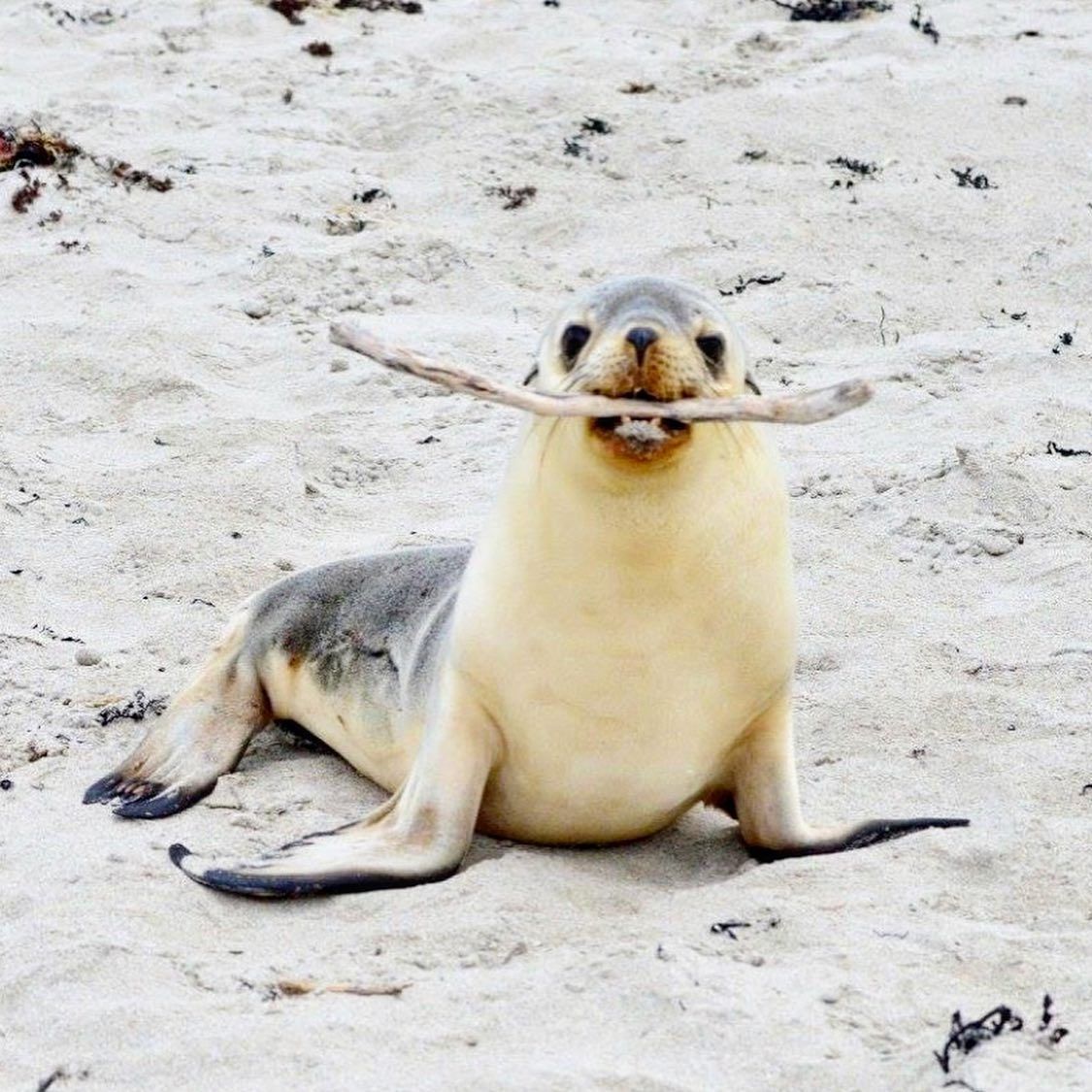
The island’s isolation has sheltered a remarkable variety of species and behaviours you rarely see elsewhere. Koalas snooze in river gums by day. Australian sea lions raise pups on wave-washed beaches. Echidnas form “mating trains” in spring, and dolphins cruise just off the coast. It’s an open-air classroom for nature lovers, with viewing possible in every season when you pair a little patience with good local knowledge.
10 days / 9 nights
Duration
Iconic animals on Kangaroo Island
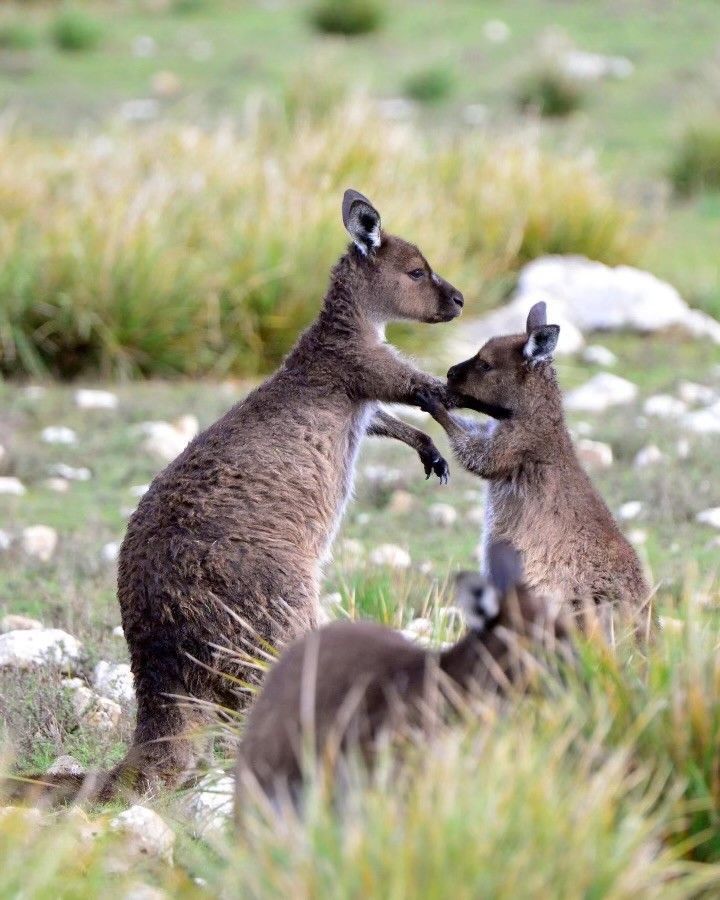
Kangaroos, wallabies and echidnas
The Kangaroo Island Kangaroo is a distinct subspecies of Western Grey. It’s more compact and dark-furred than its mainland cousins, often sheltering in scrub by day and emerging from late afternoon to graze open grasslands. Tammar wallabies share these crepuscular habits, while spring brings echidna “mating trains” that are unforgettable to witness. Please enjoy them from a distance.
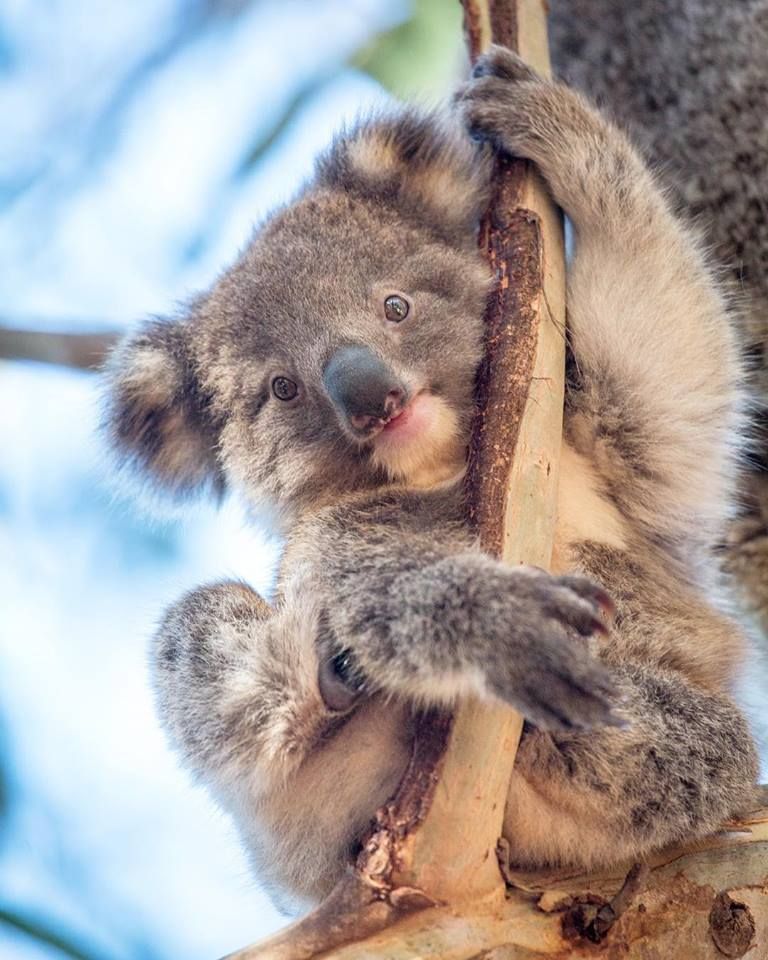
Koalas and possums
Koalas are readily spotted in riverine trees and shelterbelts. Sharp eyes will pick out their daytime naps; look near Flinders Chase Visitor Centre and around Duck Lagoon on Cygnet River. At night, keep an ear out for Southern Boobook owls and the calls of brushtail possums moving through the canopy.
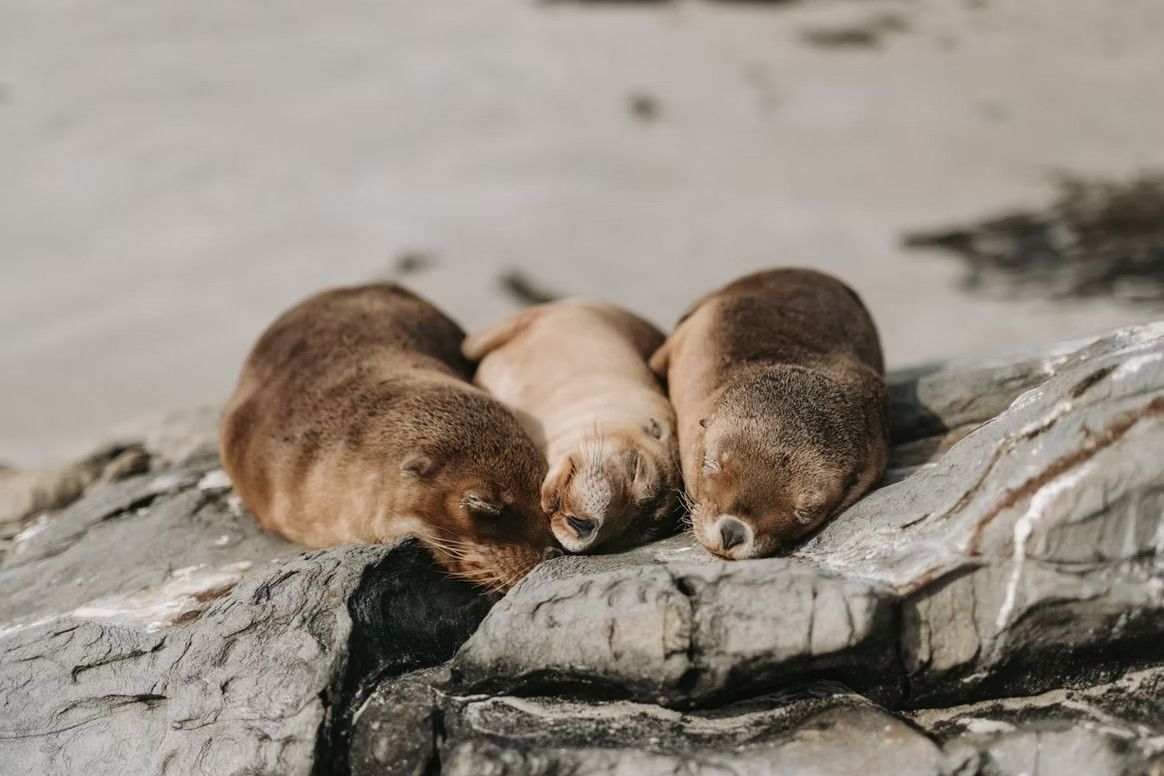
Seal Bay’s sea lions
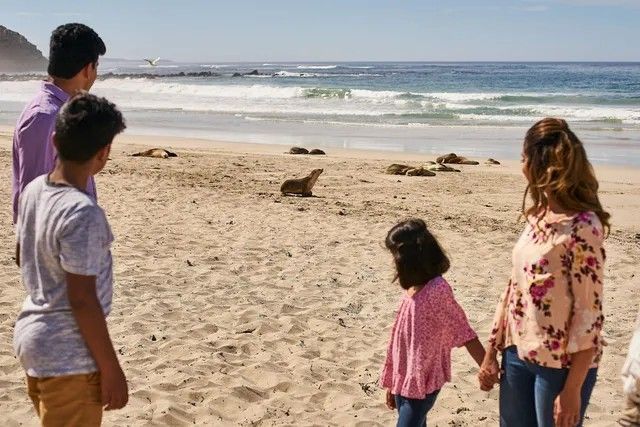
Seal Bay Conservation Park protects a rare breeding colony of Australian sea lions. Because females nurse for up to 16 months and the breeding cycle runs for roughly 18 months, you may encounter different stages of family life at various times of year. Boardwalks and guided access let you witness this natural rhythm without disturbing the colony.
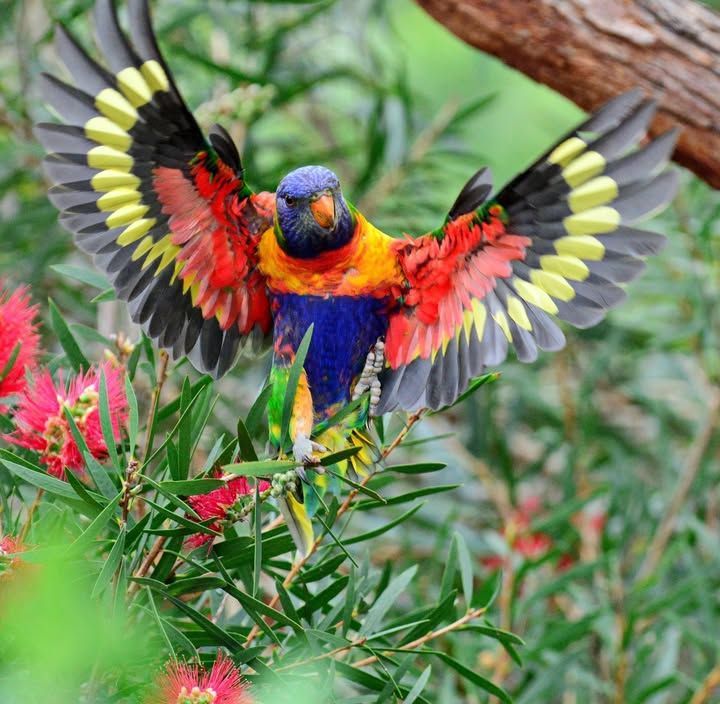
Birds, reptiles and other favourites
Birdwatchers can expect abundance. Of the 266 bird species recorded here, several are secure on the island but no longer on the mainland, and the endangered Glossy Black-cockatoo continues to recover thanks to targeted management. Wedge-tailed Eagles soar across open country, while Eastern Ospreys nest in view at D’Estrees Bay. On warm days, look for Rosenberg’s goannas and other basking reptiles along heathlands and tracks.
Where to see wildlife on Kangaroo Island
- Flinders Chase National Park: Classic sightings of kangaroos, wallabies, glossy black-cockatoos and raptors, with regular koala views near the Visitor Centre. Best early and late in the day.
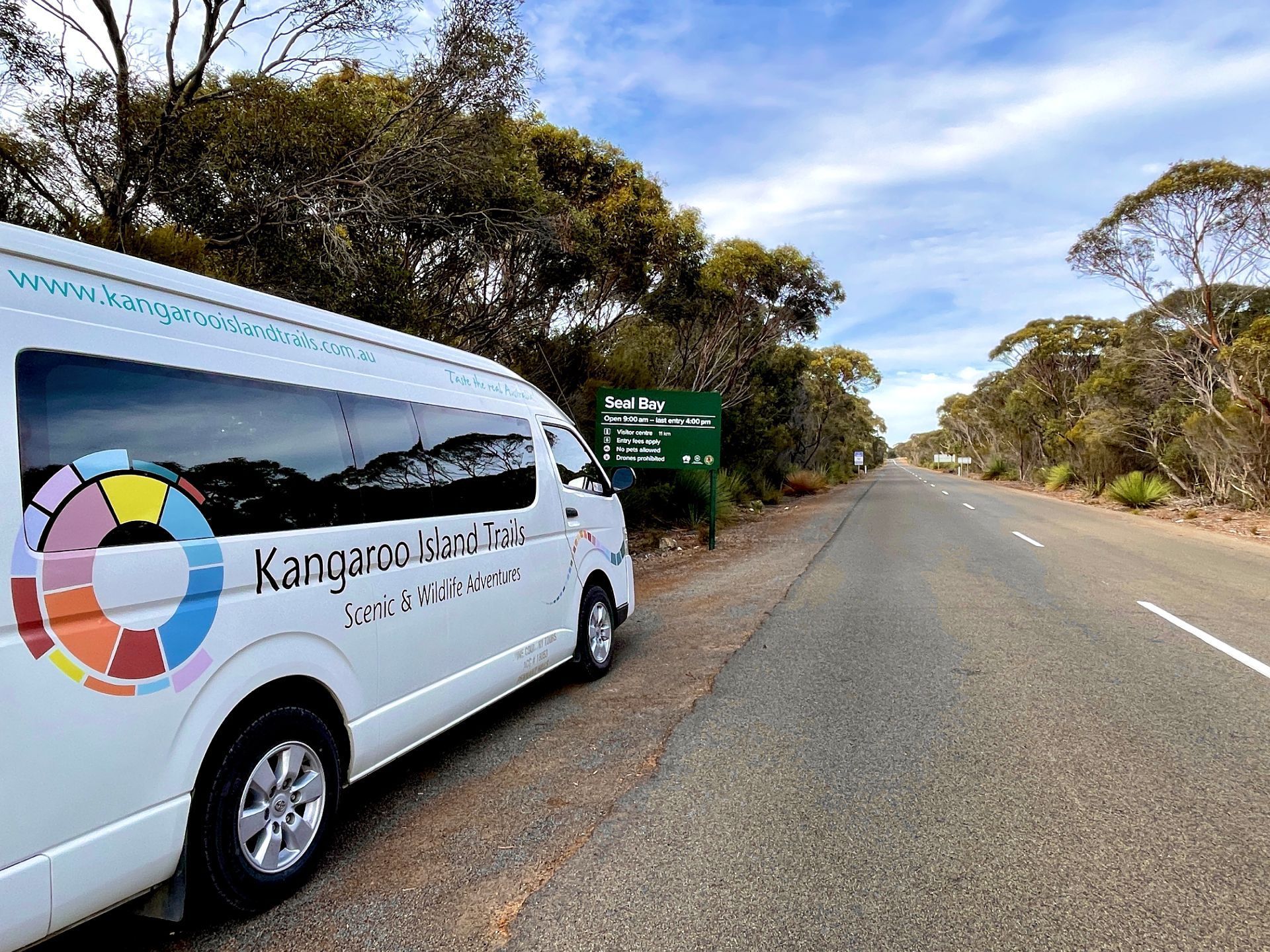
- Seal Bay Conservation Park: Walk boardwalks above resting sea lions or join a guided experience to learn about the colony.
- Hanson Bay Wildlife Sanctuary: Reliable for koalas and woodland birds along sheltered trails.
- Duck Lagoon & Cygnet River: Excellent for koala spotting and a variety of waterbirds in calm light.
- Penneshaw & coastal lookouts: Watch for bottlenose dolphins year-round; pelicans glide into Kingscote Jetty most evenings.
When is the best time to visit for wildlife?
Wildlife viewing is truly all-year. Spring is full of life, with young emerging from pouches and echidnas on the move. Summer favours marine action and penguin moulting, with many land animals resting by day and active in the evening. Autumn brings calm weather and sun-basking reptiles, while winter delivers dramatic coasts, quieter trails, and excellent daytime viewing.
What to know before you go
- Observe all wildlife from a respectful distance. Many species are most active at dawn, dusk, or after dark.
- Never feed animals. Human food harms kangaroos and other fauna, and feeding is prohibited in parks and reserves.
- Bring binoculars or a camera with zoom, and stick to marked tracks and signage.
- For hard-to-find species and the best timing, consider joining a locally guided small-group tour.
Ready to plan a nature-rich day out? Explore our Scenic Nature & Wildlife Tours to pair these encounters with comfortable transport and local stories.