
Birdwatching on Kangaroo Island: A Guide to 260+ Bird Species
|March 26, 2026
Kangaroo Island is a birdwatcher's paradise, home to over 260 bird species from more than 60 bird families. The island's geographical isolation has created unique ecological conditions, allowing several bird species to evolve into distinct Kangaroo Island subspecies found nowhere else on Earth. Whether you're a seasoned birder or picking up binoculars for the first time, this guide to the birds of Kangaroo Island will help you discover the island's incredible avian diversity.
Why Kangaroo Island is a Birdwatcher's Paradise
The birds of Kangaroo Island thrive in diverse habitats that support an extraordinary range of species. The island's varied ecosystems from coastal cliffs and wetlands to eucalyptus woodlands and grasslands each support different bird communities. This habitat diversity is fundamental to understanding why Kangaroo Island hosts such remarkable birdlife.
The island's isolation from the mainland has protected certain species and allowed unique subspecies to develop. The endangered Glossy Black Cockatoo, found only on Kangaroo Island, exemplifies this uniqueness. Meanwhile, introduced species like the Kookaburra, brought to the island in the early 1900s, have flourished in the island's environment.
Iconic Birds of Kangaroo Island You Must See
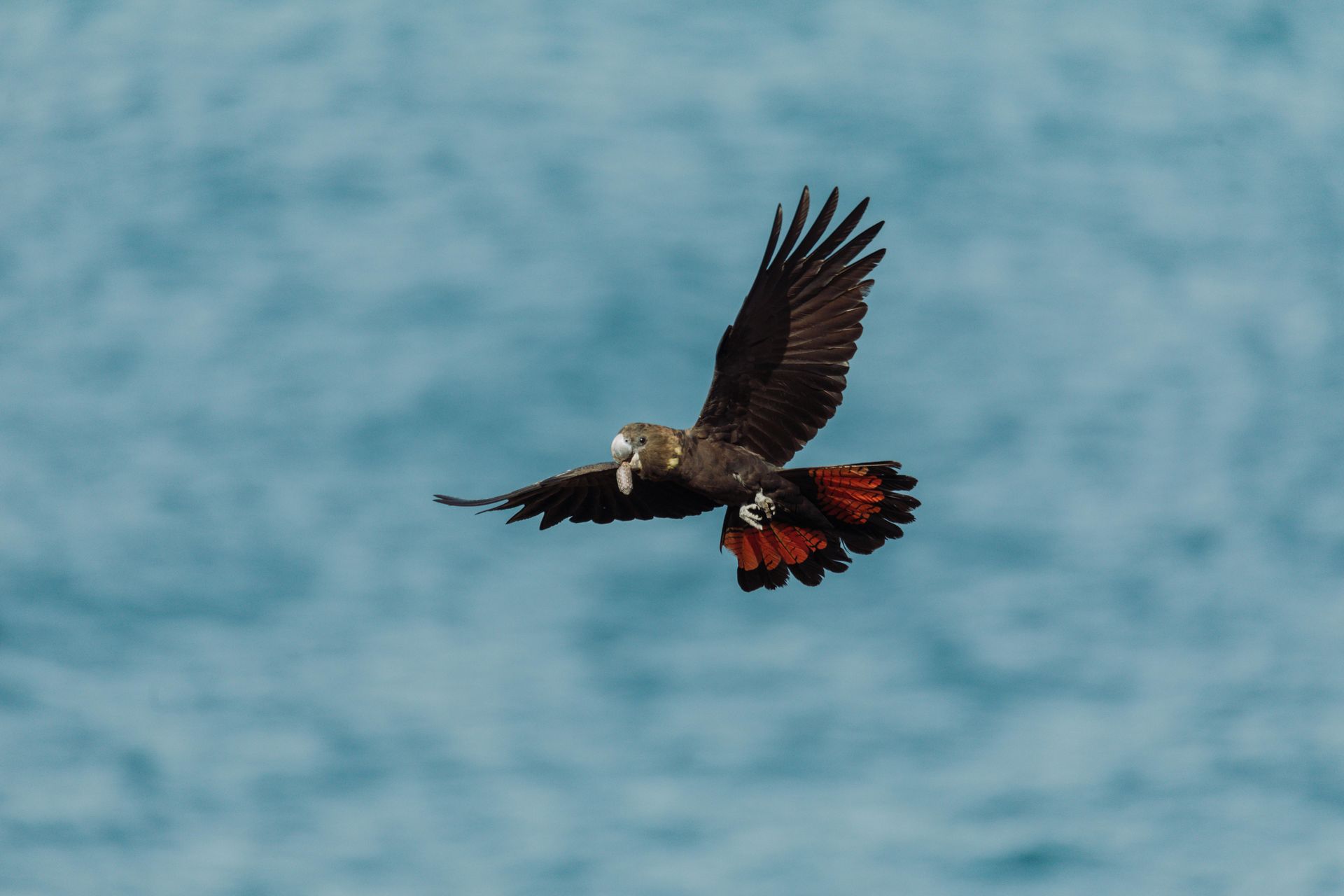
The Endangered Kangaroo Island Glossy Black Cockatoo
The Glossy Black Cockatoo is one of Australia's rarest birds and a must-see for any visitor. This large black cockatoo with distinctive red tail panels is a subspecies found exclusively on Kangaroo Island. These magnificent birds feed almost exclusively on drooping sheoak seeds and are most active during early morning and late afternoon.
The best locations to spot Glossy Black Cockatoos are American River and Cygnet River, particularly near Duck Lagoon where sheoak trees are abundant. Local guides often know the most reliable spots, so don't hesitate to ask for directions.
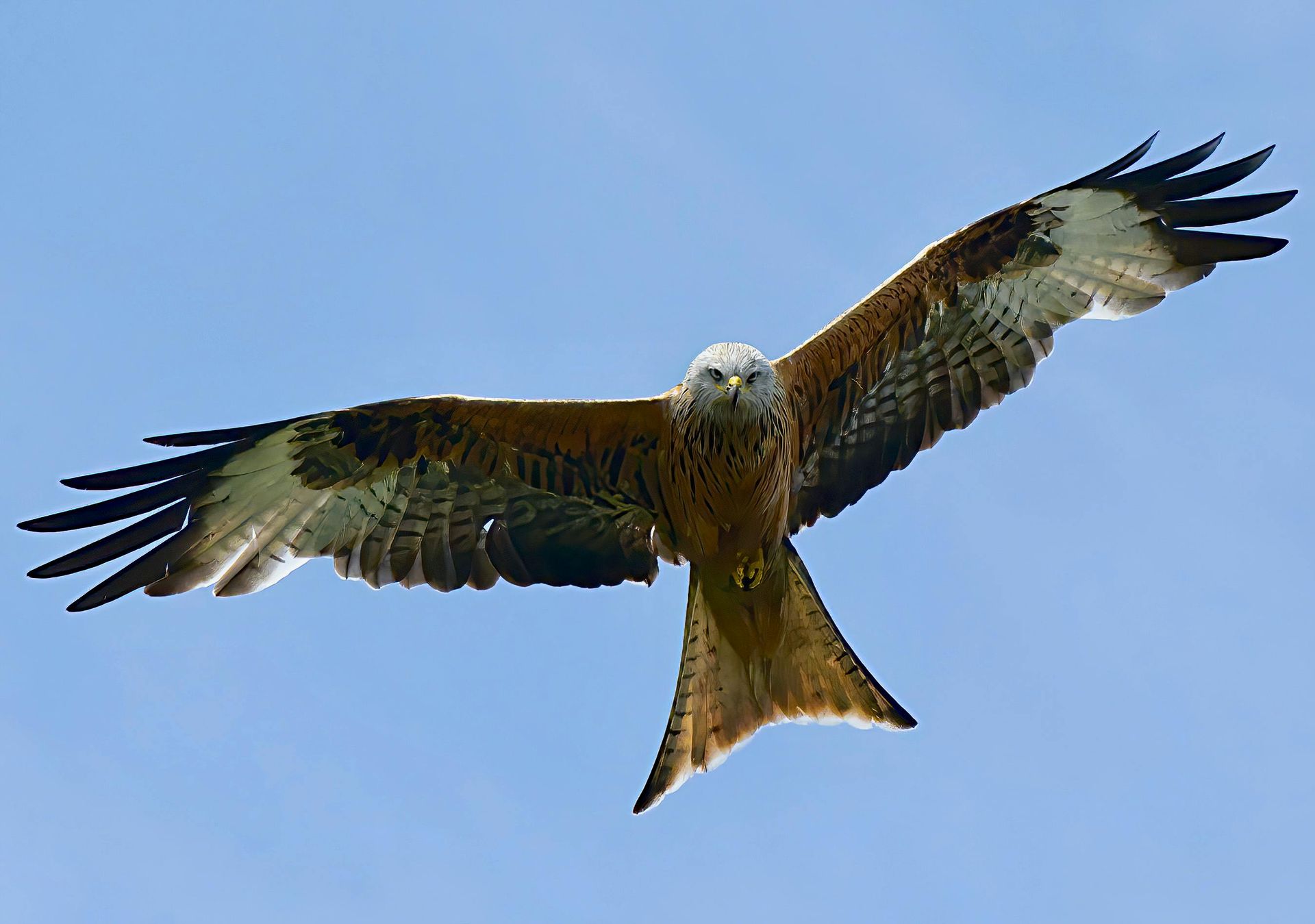
Majestic Birds of Prey: Wedge-Tailed Eagles and Ospreys
Kangaroo Island's birds of prey are among Australia's most impressive avian predators. The Wedge-tailed Eagle, Australia's largest bird of prey with a wingspan reaching 2.8 metres, soars majestically over coastal cliffs and open areas.
The Eastern Osprey specialises in catching fish and is frequently seen along the Cannery Trail near American River. Early morning visits to elevated coastal vantage points such as Constitution Hill above Snellings Beach or the cliffs near Flinders Chase National Park offer the best opportunities to observe these magnificent hunters.
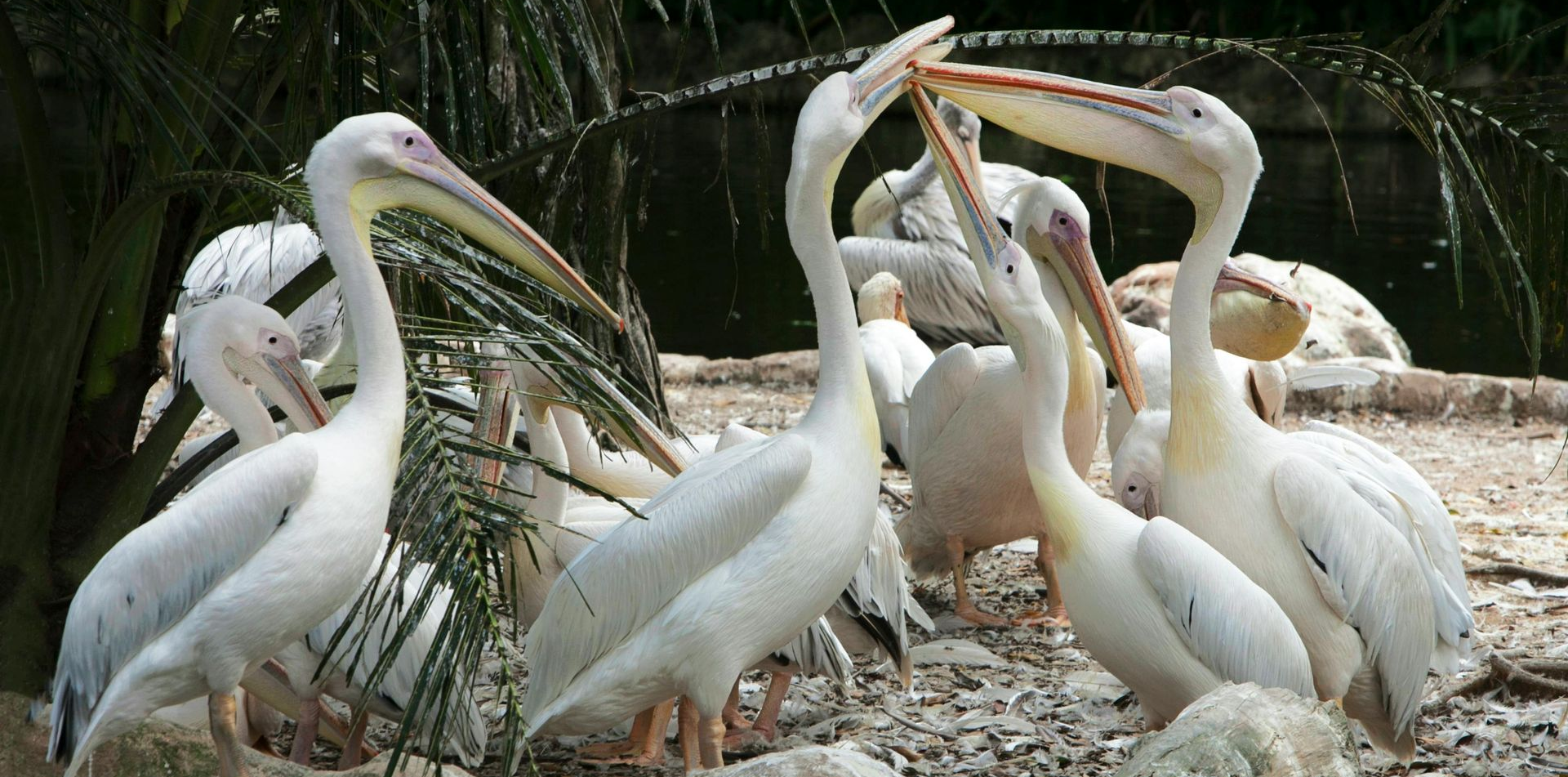
Coastal and Wetland Wonders: Pelicans, Penguins, and Plovers
The Australian Pelican, one of the world's largest pelican species, is a common sight at Pelican Lagoon and coastal areas. The Little Penguin (Fairy Penguin) breeds in colonies on the Dudley Peninsula, and guided night tours at the Penguin Reserve offer visitors the remarkable opportunity to observe these birds returning to shore at dusk.
Shorebirds such as the Hooded Plover, Pied Oystercatcher, and Red-capped Plover are common along the island's beaches and lagoons, particularly during migration periods.
Top Birdwatching Locations on Kangaroo Island
American River and Pelican Lagoon
American River and Pelican Lagoon represent one of Kangaroo Island's premier birdwatching destinations. The estuarine environment supports both resident and migratory shorebirds, including Pied Oystercatchers, Cape Barren Geese, and Australian White Ibis. The Cannery Trail offers excellent opportunities to spot Wedge-tailed Eagles, White-bellied Sea Eagles, and Eastern Ospreys.
Pelican Lagoon itself is a haven for waterbirds, with Black Swans, various duck species, herons, egrets, and spoonbills congregating here, particularly during winter. The town of American River is a reliable location for spotting Glossy Black Cockatoos in the early morning.
Flinders Chase National Park
Flinders Chase National Park, located at the western end of Kangaroo Island, encompasses rugged coastal cliffs, native bushland, and open grasslands.
The park is renowned for its populations of Cape Barren Geese, Crimson Rosellas, and Grey Currawongs.
One of the most spectacular natural events visible from Flinders Chase is the migration of Short-tailed Shearwaters. During September and October, these remarkable seabirds head west to breed, with migration numbers estimated at an astonishing 20,000 birds per hour.
The return migration occurs in April and May.
Duck Lagoon and Cygnet River
Duck Lagoon, a seasonal freshwater wetland near Cygnet River, is particularly notable as a reliable location for spotting both Yellow-tailed and Glossy Black Cockatoos. The surrounding bushland supports a range of honeyeaters, including the Scarlet Robin. A bird hide provides an excellent vantage point for observation without disturbing the birds. Waterfowl species commonly seen here include Australian Shelducks, Australasian Shovellers, and Black-fronted Dotterels. The walking track around the lagoon is suitable for visitors of varying fitness levels.
D'Estrees Bay and Macgillivray Wetlands
D'Estrees Bay is renowned as a reliable location for spotting Rock Parrots during the first half of the year. The Macgillivray Wetlands are particularly productive during winter and spring when water levels are elevated, supporting diverse populations of waterfowl and wading birds such as White-headed Stilts, Banded Stilts, and Red-necked Avocets.
Dudley Peninsula, Penneshaw, and Cape Willoughby
The Dudley Peninsula offers unique birdwatching opportunities centred around the ferry terminal and coastal areas. Near Penneshaw, Pied and Black-faced Cormorants are commonly observed. The Penguin Reserve is the island's most famous birdwatching attraction, offering guided night tours to observe Little Penguin colonies returning to shore at dusk.
Lashmar Lagoon provides habitat for various duck species, swans, and other waterbirds. The tea-tree thickets along Chapman River house numerous small bush birds, including wrens and thornbills. Hooded Plovers can be found at Penneshaw Beach and Antechamber Bay.
Essential Tips for Birdwatching on Kangaroo Island
Best Times of Year and Day to Go
Early morning, from sunrise to mid-morning, is consistently the best time for birdwatching. Bird activity is highest during these hours.
Late afternoon also offers good opportunities.
Spring (September-November) is arguably the best season, with breeding activity at its peak and migratory species returning. Summer (December-February) can be productive for observing breeding birds, though heat reduces midday activity. Autumn (March-May) brings increased water levels and migratory species.
Winter (June-August) attracts large numbers of waterfowl to wetlands, though overall sightings are fewer.
What to Pack for Your Birding Adventure
- Binoculars: Quality binoculars with at least 8x42 magnification are essential
- Field Guide: Chris Baxter's photographic field guide "Birds of Kangaroo Island" is highly recommended
- Comfortable Footwear: Sturdy walking shoes or boots with good ankle support
- Weather-Appropriate Clothing: Layer your clothing; a wide-brimmed hat is essential
- Notebook and Pen: Record the birds you see, including date, time, and location
- Snacks and Water: Pack non-perishable snacks and a reusable water bottle
- Binocular Harness: A comfortable harness reduces neck strain during extended use
Birdwatching Etiquette and Conservation
Move slowly and quietly to avoid startling birds. Stay on marked trails to minimise habitat disturbance. Respect nesting birds, particularly during breeding season, and observe from a distance. Avoid using playback recordings, as they can stress birds and disrupt natural behaviours. Pack out all rubbish and leave no trace of your visit. Support local conservation organisations working to protect Kangaroo Island's birds.
Join a Guided Birdwatching Tour with Kangaroo Island Trails
While independent birdwatching can be rewarding, a guided tour with experienced local experts offers unparalleled advantages. Our experienced guides possess intimate knowledge of Kangaroo Island's birds, their behaviours, and the best locations to find them throughout the year.
Guided tours provide access to prime locations and viewing opportunities that independent visitors might miss. Whether you're a novice taking your first steps into birdwatching or an experienced twitcher seeking to add rare species to your life list, Kangaroo Island Trails offers tours tailored to your interests and experience level.
Discover the birds of Kangaroo Island with expert guides who share your passion for wildlife. Book your guided birdwatching tour today and experience the magic of over 260 bird species in their natural habitat.
Travel Guide