Kangaroo Island Wildlife Guide: Where to Find Koalas, Sea Lions, and Kangaroos
|January 31, 2026
Kangaroo Island is one of the best places in Australia to see native wildlife in its natural habitat. From the iconic koala to the playful sea lion, the island is home to an extraordinary array of animals that exist nowhere else on Earth. Whether you're a seasoned wildlife enthusiast, a keen photographer, or simply curious about Australian fauna, Kangaroo Island offers unforgettable encounters with some of the country's most beloved creatures.
This comprehensive guide will show you exactly where to find the island's most iconic animals, share insider tips for spotting them in the wild, and provide fascinating facts about their behaviour and ecology. Whether you're planning a self-guided adventure or considering a
guided wildlife tour, this guide will help you make the most of your wildlife viewing experience on Kangaroo Island.
The "Big Three": Koalas, Sea Lions, and Kangaroos
Kangaroo Island's most iconic animals are the koala, the Australian sea lion, and the Kangaroo Island kangaroo. These three species represent the island's unique wildlife heritage and are the animals most visitors hope to see during their visit.
Koalas: Australia's Cuddly Icon
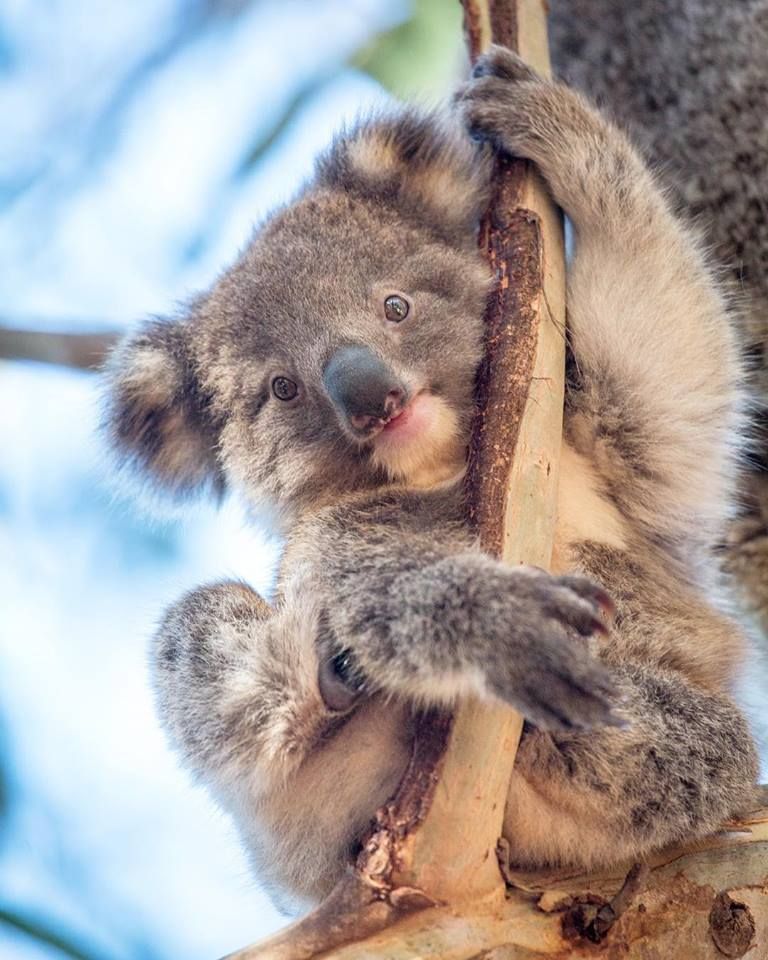
Koalas are one of Australia's most recognisable animals, and Kangaroo Island is one of the best places in the country to see them in the wild. Despite their cuddly appearance, koalas are solitary, tree-dwelling marsupials that spend most of their time sleeping in eucalyptus trees, munching on leaves.
Where to Find Them:
The best places to spot koalas on Kangaroo Island include Hanson Bay Wildlife Sanctuary and Flinders Chase National Park. Hanson Bay Wildlife Sanctuary is particularly popular with visitors, as the koalas here are habituated to human presence and can often be seen at close range. The sanctuary offers guided tours where you can learn about koala conservation and see these remarkable animals up close.
Flinders Chase National Park, located on the western end of the island, is another excellent spot for koala spotting. The park's dense eucalyptus woodlands provide ideal habitat for koalas, and you're likely to spot at least one during your visit, particularly if you explore the walking trails early in the morning or at dusk.
Tips for Spotting Koalas:
Look for koalas sleeping in the forks of eucalyptus trees, particularly during the heat of the day. They're most active at dawn and dusk, when they move between trees and feed on eucalyptus leaves. Keep your eyes on the canopy as you walk through the bush, and listen for the distinctive grunting calls that male koalas make during breeding season. If you spot a koala in a tree, it's likely to stay in the same location for several days, so you might see it again if you return to the same spot.
Interesting Facts:
Kangaroo Island has one of the healthiest koala populations in Australia, thanks to the island's isolation and conservation efforts. The koalas here are free from the disease chlamydia, which affects mainland populations, making them particularly valuable for conservation programmes. The island's koalas are also larger than their mainland cousins, a phenomenon known as island gigantism.
Australian Sea Lions: Playful Marine Mammals
Australian sea lions are one of the world's rarest sea lion species, and Kangaroo Island is one of the few places where you can see them in their natural habitat. These charismatic marine mammals are highly social, intelligent, and endlessly entertaining to watch as they play, hunt, and interact with one another.
Where to Find Them:
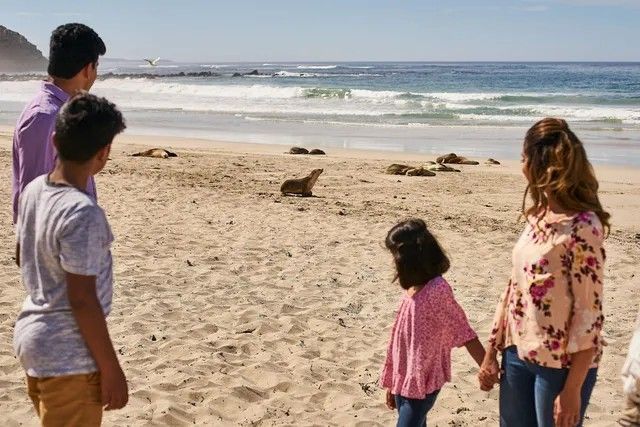
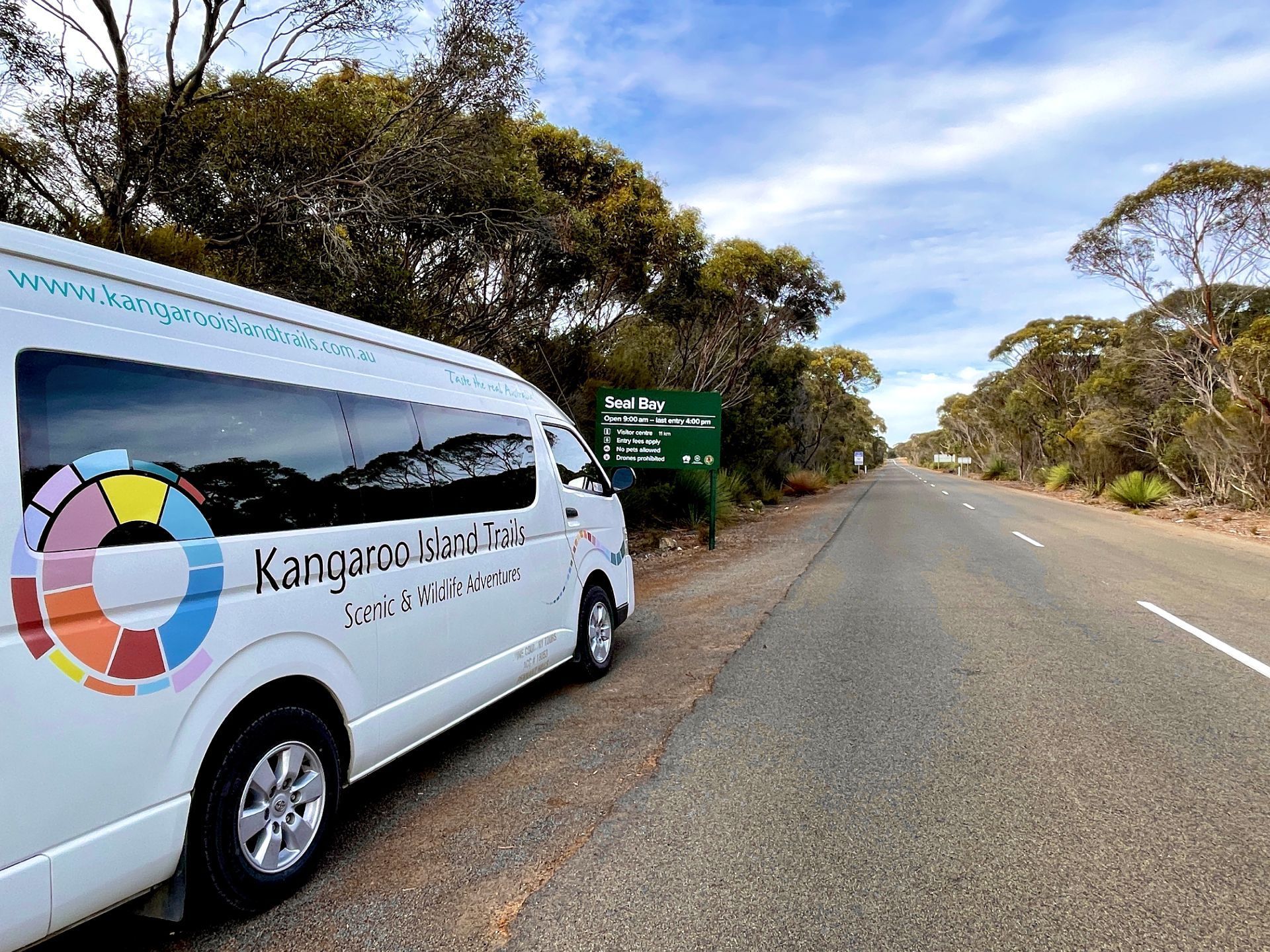
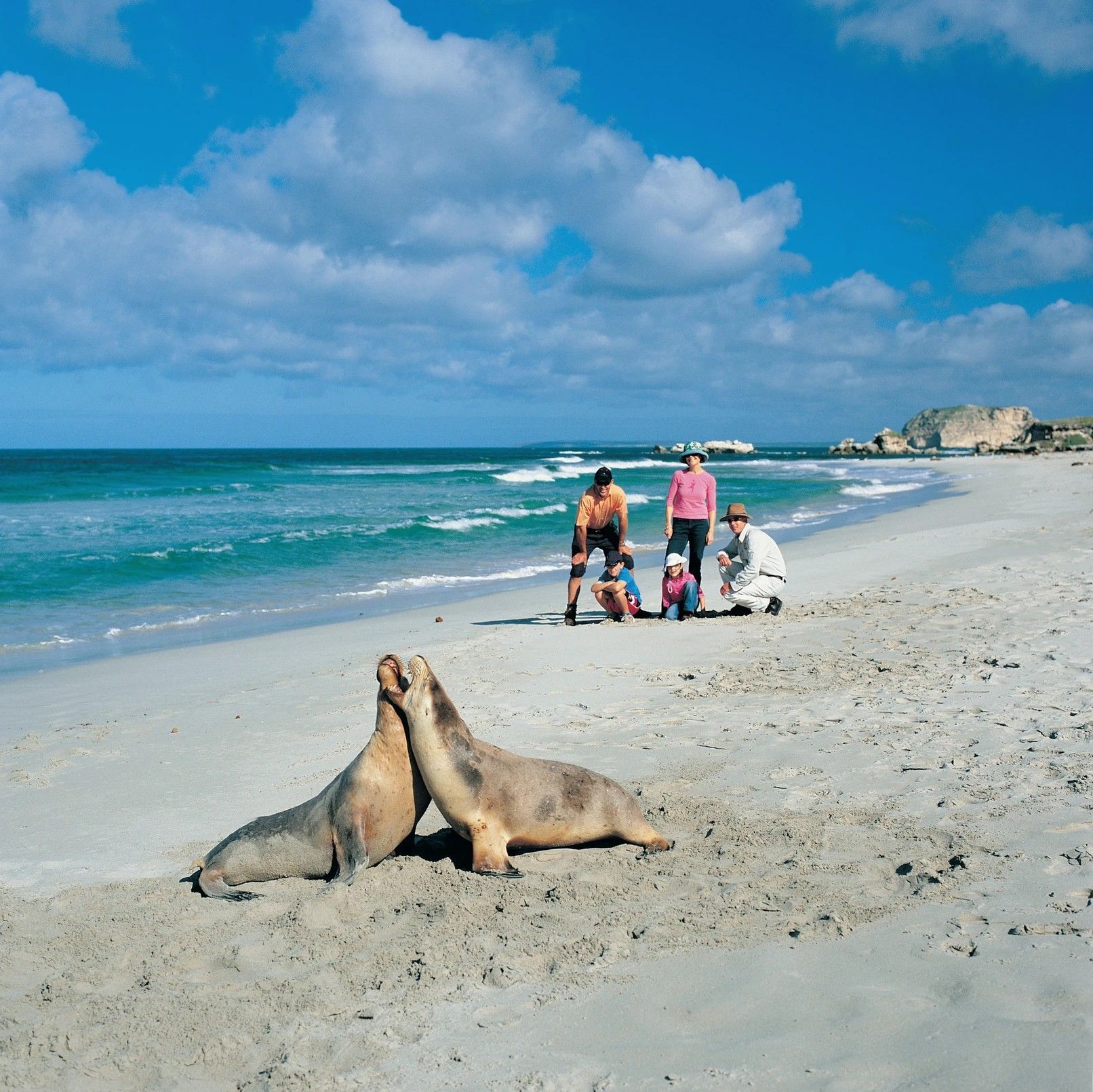
The primary location for viewing Australian sea lions on Kangaroo Island is Seal Bay Conservation Park. This protected marine reserve is home to a thriving colony of around 600 sea lions, making it one of the largest colonies in Australia. The only way to access the seal colony is via a guided tour, which ensures that the animals are not disturbed and that visitors have a safe, informative experience.
The guided tour at Seal Bay takes you down to the beach where the sea lions haul out to rest and breed. You'll get up close views of these magnificent animals as they lounge on the sand, interact with each other, and occasionally venture into the water. The tour guides are knowledgeable and passionate about the sea lions, and they'll share fascinating insights into the animals' behaviour and ecology.
Understanding Sea Lions vs. Seals:
It's a common misconception that sea lions and seals are the same animal. In fact, they're quite different. Sea lions have external ear flaps and can rotate their hind flippers forward, allowing them to walk on land. Seals, by contrast, have ear holes (no external flaps) and cannot rotate their hind flippers, so they move on land by bouncing like caterpillars. Australian sea lions are sea lions, not seals, and their agility on land is one of their most distinctive features.
The Seal Bay Experience:
The guided tour at Seal Bay is one of the most popular wildlife experiences on Kangaroo Island, and for good reason. As you walk along the beach, you'll see sea lions of all ages, from tiny pups to massive bulls. The animals are surprisingly tolerant of human presence, and you'll have the opportunity to observe their natural behaviour up close. The tour guides will point out interesting individuals and explain the social dynamics of the colony. It's an unforgettable experience that leaves most visitors with a deep appreciation for these remarkable animals.
Kangaroos: The Island's Gentle Grazers
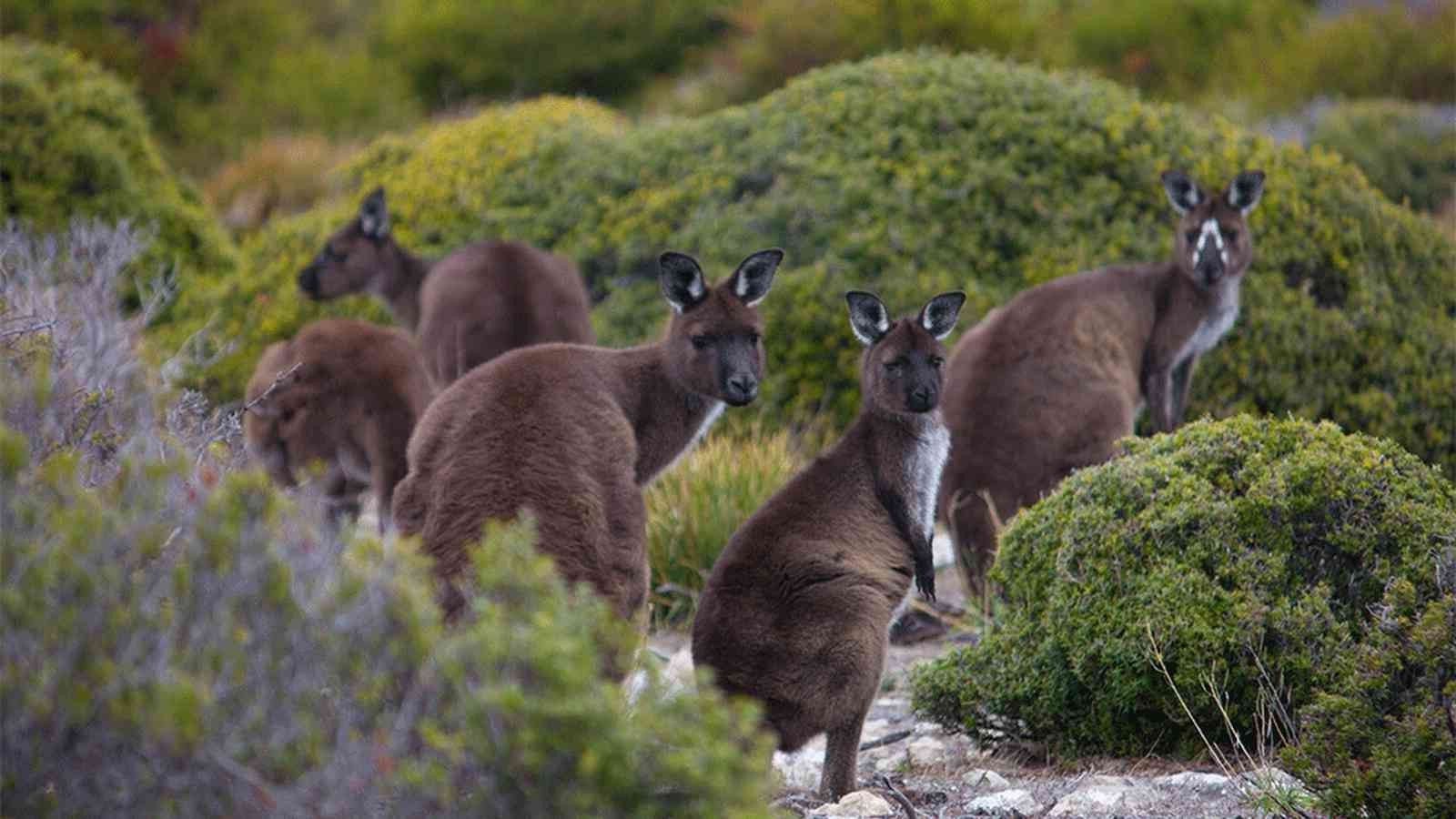
The Kangaroo Island kangaroo is a unique subspecies of the Western Grey kangaroo, found nowhere else in the world. These gentle herbivores are smaller and darker than their mainland cousins, and they have a distinctly docile temperament. Unlike mainland kangaroos, which are often wary of humans, Kangaroo Island kangaroos are relatively tolerant of human presence.
Where to Find Them:
Kangaroos are abundant throughout Kangaroo Island, and you're likely to see them almost anywhere you go. However, the best places to spot them are in open grasslands and woodland areas, particularly around dawn and dusk when they're most active. Popular viewing spots include the roadsides around Kingscote and Penneshaw, as well as the open areas within Flinders Chase National Park.
If you're driving around the island, keep your eyes on the sides of the road, particularly at dawn and dusk. Kangaroos often graze along roadsides, and you may see them hopping across the road or resting in the grass. Be cautious when driving, as collisions with kangaroos can occur, particularly at night.
Tips for Spotting Kangaroos:
The best time to see kangaroos is early in the morning or late in the afternoon, when they're most active and feeding. Look for them in open grasslands and woodland clearings. If you spot a kangaroo, approach slowly and quietly, as sudden movements may startle them. Unlike mainland kangaroos, Kangaroo Island kangaroos are generally not aggressive, but it's still best to observe them from a distance.
Interesting Facts:
The Kangaroo Island kangaroo is smaller and darker than mainland Western Grey kangaroos, and scientists believe this is due to the island's isolation and unique environmental conditions. The subspecies is also notably more docile than mainland kangaroos, possibly because they've had less exposure to predators and human threats. This makes them particularly rewarding to observe, as they often allow closer approaches than their mainland cousins.
Other Notable Wildlife
Beyond the "Big Three," Kangaroo Island is home to a remarkable variety of other animals, each with its own unique characteristics and viewing opportunities.
Echidnas: The Spiky Foragers
Echidnas are one of only two egg-laying mammals in the world (the other being the platypus), making them truly unique creatures. On Kangaroo Island, echidnas are relatively common, and you're likely to see at least one during your visit. These solitary, shy animals spend most of their time foraging for ants and termites with their long, sticky tongues.
Where and When to Spot Them:
Echidnas can be found throughout Kangaroo Island, particularly in areas with dense vegetation and leaf litter. They're most active during the cooler parts of the day, so early morning and late afternoon are the best times to spot them. Look for them foraging on the ground, often with their snouts buried in the soil as they search for insects. If you encounter an echidna, give it plenty of space, as they can curl into a tight ball when threatened.
Tammar Wallabies: The Island's Smaller Marsupials
Tammar wallabies are small marsupials, similar to kangaroos but significantly smaller. They're abundant on Kangaroo Island and are often seen in groups, particularly during dawn and dusk. These shy, gentle animals are a delight to observe as they graze and interact with one another.
Where and When to Spot Them:
Tammar wallabies are found throughout Kangaroo Island, particularly in grasslands and open woodland areas. They're most active at dawn and dusk, when they emerge from the bush to feed. Look for them in small groups, often in the same areas where you might see kangaroos. They're generally shy and will flee if you approach too closely, so binoculars or a telephoto lens are useful for viewing them.
Goannas: Australia's Monitor Lizards
Goannas (also known as monitor lizards) are large, powerful reptiles that can grow up to 2 metres in length. On Kangaroo Island, goannas are relatively common, though they're often shy and difficult to spot. These impressive predators are fascinating to observe, as they move with surprising grace and agility.
Where and When to Spot Them:
Goannas can be found throughout Kangaroo Island, particularly in areas with rocky outcrops and dense vegetation. They're most active during the warmer parts of the day, so midday is often the best time to spot them. Look for them basking on rocks or moving through the bush. If you encounter a goanna, give it plenty of space, as they can be aggressive if threatened.
Dolphins: The Ocean's Acrobats
Bottlenose dolphins are occasionally spotted in the waters around Kangaroo Island, particularly around Kingscote and American River. These intelligent, social animals are a delight to watch as they leap and play in the ocean. Dolphin sightings are not guaranteed, but if you're lucky, you might see them during a boat tour or from the shore.
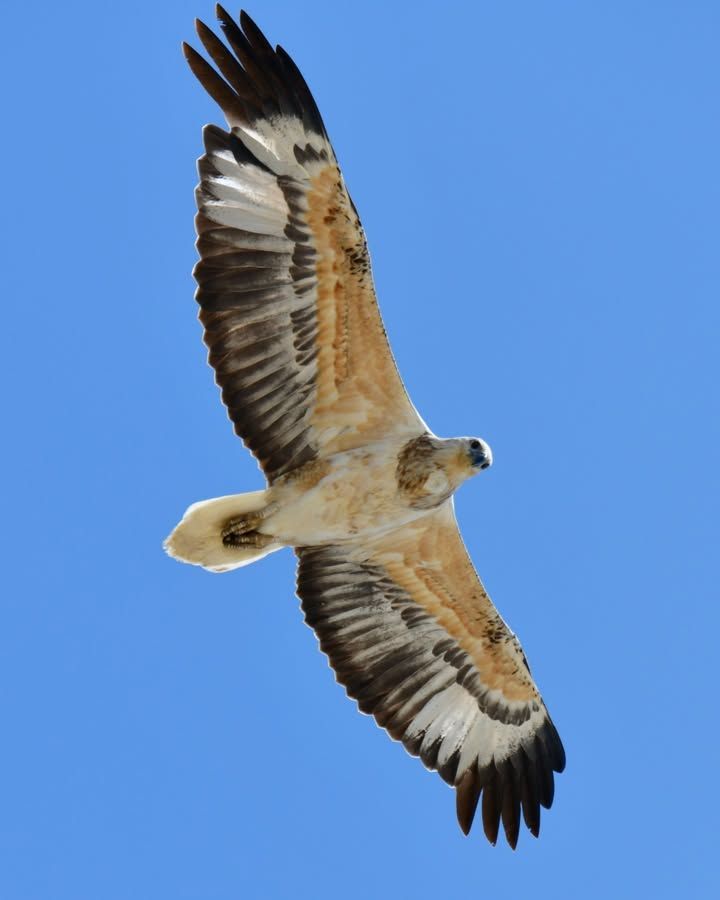
Birdwatching on Kangaroo Island
Kangaroo Island is a birdwatcher's paradise, with over 240 bird species recorded on the island. From the iconic Laughing Kookaburra to the rare Glossy Black-Cockatoo, the island offers exceptional birdwatching opportunities for enthusiasts of all levels.
Key Bird Species:
The Glossy Black-Cockatoo is one of Australia's rarest birds, and Kangaroo Island is one of the few places where you can see it in the wild. These striking black cockatoos with red tail panels are found in the island's eucalyptus forests, where they feed on the seeds of she-oak trees. Other notable species include the Wedge-tailed Eagle, one of Australia's largest birds of prey, and the Australian Pelican, with its distinctive long bill and graceful flight.
Best Birdwatching Locations:
Murray Lagoon and American River are two of the best birdwatching locations on Kangaroo Island. Murray Lagoon is a shallow, brackish lagoon that attracts a wide variety of waterbirds, including black swans, grey teal, and various species of herons and egrets. American River is a picturesque coastal town surrounded by eucalyptus forests, making it an excellent spot for spotting forest birds like kookaburras, lorikeets, and cockatoos.
Early morning is the best time for birdwatching, when birds are most vocal and active. Bring binoculars and a field guide to help you identify the species you see.
Responsible Wildlife Viewing
As visitors to Kangaroo Island, we have a responsibility to observe wildlife in a way that doesn't disturb or harm the animals or their habitats. Here are some key guidelines for
responsible wildlife viewing:
Keep a Safe Distance:
Maintain a safe distance from all animals. Use binoculars or telephoto lenses to get closer views without disturbing the animals. A general rule is to stay at least 10 metres away from most animals, and further away from larger or more sensitive species.
Never Feed Animals: Feeding wildlife can cause animals to become dependent on humans, alter their natural behaviour, and potentially make them aggressive. It can also spread disease. Never offer food to any wild animal, no matter how friendly they appear.
Stay on Designated Paths:
Stick to marked walking trails and designated viewing areas. Straying off the path can disturb animals and damage their habitats.
Minimise Noise:
Keep noise levels low and avoid sudden movements that might startle animals. Speak quietly and move slowly and deliberately.
Respect Breeding Areas:
During breeding season, some areas may be closed to visitors to protect nesting birds or breeding mammals. Always respect these closures.
Choose Guided Eco-Tours: One of the best ways to ensure responsible wildlife viewing is to join a
guided wildlife tour led by knowledgeable local guides. These tours are designed to minimise impact on wildlife whilst maximising your viewing opportunities and educational experience.
Where Wild Moments Become the Heart of Your Kangaroo Island Story
Kangaroo Island's wildlife is truly extraordinary, and the opportunity to see these remarkable animals in their natural habitat is one of the island's greatest treasures. Whether you're watching a koala sleep peacefully in a eucalyptus tree, observing sea lions play on the beach, or spotting a kangaroo grazing in the grasslands, these moments create memories that last a lifetime.
The best way to experience Kangaroo Island's wildlife is with a knowledgeable local guide who understands the animals' behaviour and knows the best viewing spots. Our
wildlife tours are designed to give you an intimate, authentic experience of the island's incredible fauna, with expert guides who are passionate about sharing their knowledge and love of these remarkable animals.
Book your wildlife tour with Kangaroo Island Trails today and discover the wild heart of Kangaroo Island!
Travel Guide